Global FlyFisher Newsletter May 2. 2026
So it’s May, and for many anglers in the northern hemisphere that means the start of the ”real” fishing season.
Winter is gone in most places except for the most northern realms, where snow and ice remains well into the late spring.
The coastal water is warming, rivers, streams and lakes open for fishing, most fish have spawned and are on the lookout for food to regain their strength and previous condition.
All that means that anglers are also on the lookout for fishing.
Spring is seen by many as the peak of the season. Insects start hatching and there’s more and more food in and on the water, almost no matter what kind – salt, running, still.
Once summer sets in for full, the heat will turn off a lot of fishing, and people start swimming in water rather than fishing in it.
But don’t let a hot summer deter you. A lot of good fishing can be found, and it’s not like the fish stop eating or being active. They just shy away from heat and light. Give evenings, nights and early mornings a shot, and even the hottest of summers can be productive.
And do try fishing in the middle of the day too! You’d be surprised how fish can be where and when you least expect it.
My local fishing here in Denmark – hunting coastal sea run brown trout – can be surprisingly good on days where most people eat ice cream and bask on the beaches. More than one coastal sea trout angler in sandals and shorts has taken good fish among the swimmers.
On GFF the spring has also been productive, and there’s been a steady stream of new content. It seems like a couple of years of slow publishing are over, and there’s much more to publish now. I’ve had a good influx of contributed articles, and have also dusted off a few of my own old manuscripts and finished them.
I published the full content of a photo book that I made some years ago, a small bottle tube story and pattern articles by British Nick Thomas as well as Norwegian Runar Warhuus.
There’s much more in the pipeline, and should you have anything laying around that you’d like to share with the world, GFF has gigabytes of space to host it.
Just contact me with your ideas.
Regards
Martin
Latest content

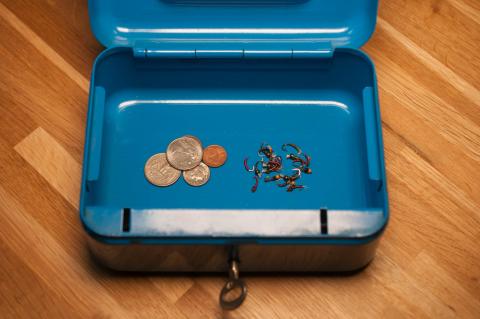
Things that add weight to a fly such as metal eyes, beads or cones, have a tendency to loosen over time. Here's how to avoid that.

A small muddler with a dab of orange that’s come out of my vise many times in many versions, and is a good example of a high-floating trout fly

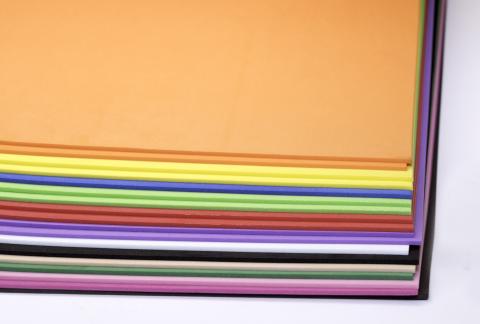
Foam is used in many fly patterns, but foam isn't just foam. Here's a guide to getting the right stuff - and at a decent price

Ninth section: End. This is the online version of a book I published back in 2010.

Eighth section: Flies. This is the online version of a book I published back in 2010.

Seventh section: Gear. This is the online version of a book I published back in 2010.

Sixth section: Fights. This is the online version of a book I published back in 2010.
Latest videos
 The ViMo is one of the most effective salmon flies out there, and in this video, Casper Hansen shows you exactly how to tie his version.
|
|
 In this video, Alex Belonga shows you exactly how to tie his most effective flies - the Posh Monkey.
|
 I spent the last few weeks tying up a handful of crayfish patterns… and finally got them out on the water to see how they actually perform.
Safe to say—they work. |
 Jagger’s Leech Fly Tying Recipe
(Click the links below to purchase the materials from our store) Hook: 4-10 TMC 9395 |
 Another simple, but very effective pattern from Chico Fernandez, the Marabou Madness is excellent for all kinds of game fish in fresh and salt water.
|

Blog posts
 Many, many years ago, I suggested to French bead and cone maker Andre Bidoz that he should make some bottle tubes I had thought of. And he did!
|
 These some books that I am reading right now, have ordered, or intend to acquire at the earliest opportunity.
|
 This is about a French book on mayflies, which I can hardly read, but still love
|
 My fishing book register needed an update – and the registration of a lot of books
|
More articles
 Fifth section: Fish. This is the online version of a book I published back in 2010.
|
 Hair from hare’s ears and hare’s mask is well known and widely used in fishing flies. Less familiar are flies tied with hair from hares' paws.
|
 Fourth section: Anglers. This is the online version of a book I published back in 2010.
|
 In many lakes where trout rely on eating terrestrial insects or other fish to survive, newts can be a handy dietary supplement.
|
 Third section: Water. This is the online version of a book I published back in 2010.
|
 Second section: Beach and sky. This is the online version of a book I published back in 2010.
|