








Tribute to MOM
The flies Mary documented were, invariably, ornate wet flies. They were, and are, the legacy of centuries of British salmon fly design spiced by the natural resources and original thinking available to their American interpreters.
More than a century ago, one hundred fourteen years at the time of this writing, Mary Orvis Marbury, daughter of Charles F. Orvis, published the book Favorite Flies and Their Histories. She undertook the formidable task of compiling and editing this book as a labor of love. In her own words; "To create history one should be a great general, an inventor, or an explorer, but to those of us who are not so fortunate as to be creators is permitted the more humble mission of recording what is accomplished by others." Marbury wrote to the most prominent anglers across the country, and collected more than two hundred responses detailing the flies and fishing techniques, then in use, in more than thirty-eight states.
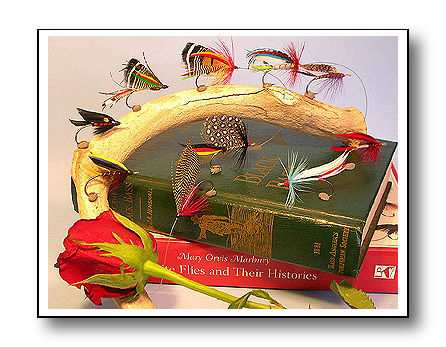
The flies Mary documented were, invariably, ornate wet flies. They were, and are, the legacy of centuries of British salmon fly design spiced by the natural resources and original thinking available to their American interpreters. Unencumbered by the "coarse fish" versus "sport fish" British caste system, Yankee anglers adapted patterns and materials for maximum attraction to native North American sport fish such as black bass, crappie, walleye and white bass. Fished 'on the swing' in casts of two, three or more flies, these patterns accounted for generations of sport. They are as effective today as they were in the time of their creation.
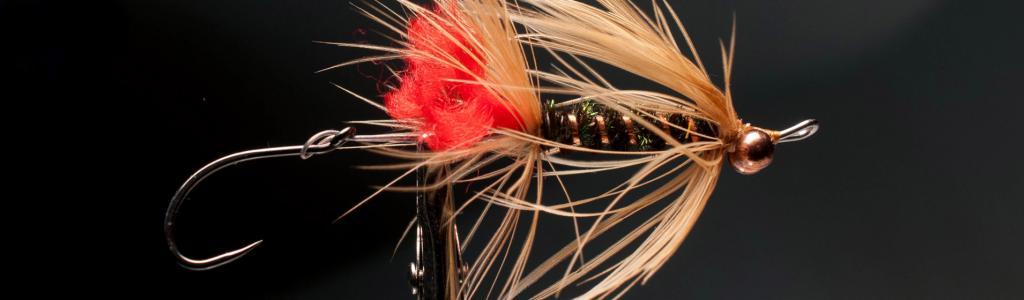
Members of the Streamers@ list began discussing these beautiful flies well over a year ago. Through fits and starts this feature swap began to take shape. Deryn LaCombe graciously supplied the participants with original blind-eye model 3371 Mustad Sproat hooks in size 2, so all the patterns would have similar size and proportions. This allowed the natural beauty of the fly designs to shine through, unaffected by the vagaries of lighting and framing necessary with varying size.
The focus of the project was determined to be flies primarily created for that most American of game fishes, the black bass. Even more specifically, the group of tiers tried to select patterns created for use in the Midwest and East. The decision to snell or snood a particular fly was left to the individual tier. The results are the flies depicted here. The explosion of color and form delivered by even this small collection is almost mind boggling.
There are over 300 patterns described in Favorite Flies and Their Histories. There are hundreds more detailed in the dozens-upon-dozens of texts from this, the "Age of Enlightenment" of North American angling. It is my sincere hope that this article will inspire you to explore, tie and fish these productive patterns, both in their original form and in the contemporary dress these classics will undoubtedly don.
|
|
|||||||||||||||||
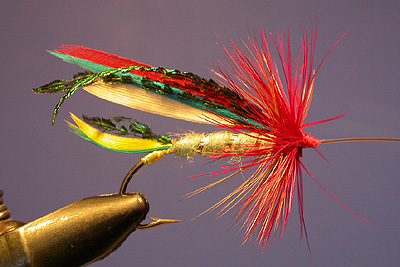
Cracker
|
|||||||||||||||||
 |
|
||||||||||||||||
| This pattern was created by Dr. George Trowbridge in 1888. It is described by Marbury as "A fly with a record, and evolved by most careful study and experiment. It is intended for the coast and river fishes of Florida, and is named after the natives of that State, the "pore whites". | |||||||||||||||||
|
|
|||||||||||||||||
Cassard
|
|||||||||||||||||
 |
|
||||||||||||||||
| This fly was designed in 1886 by Mr. William J. Cassard, an influential New York angler, collector, writer and photographer. It is tied as described in a 1982 Fly Tier magazine article by J. Edson Leonard. | |||||||||||||||||
|
|
|||||||||||||||||
Bemis
|
|||||||||||||||||
 |
|
||||||||||||||||
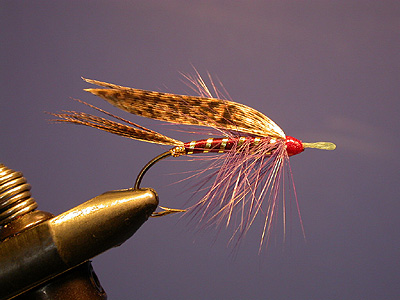
| This fly was likely named for Bemis Stream, which runs along the base of Bemis Mountain, at the south end of Lake Mooselukmeguntic in Maine's Rangeley Lakes region. | |||||||||||||||||
|
|
|||||||||||||||||
Indian Rock
|
|||||||||||||||||
 |
|
||||||||||||||||
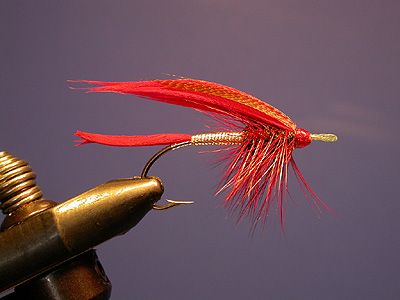
| This fly was probably named for a famed spot at the confluence of the Rangeley and Kennebago Rivers, and known during the mid to late 1800's to be the haunts of Brook Trout reaching legendary size ( 5 to 8+ lbs.). The Oquossoc Angling Association, one of the nation's oldest private fishing clubs, was formed during this era across from Indian Rock. | |||||||||||||||||
|
|
|||||||||||||||||
Frank Gray
|
|||||||||||||||||
 |
|
||||||||||||||||
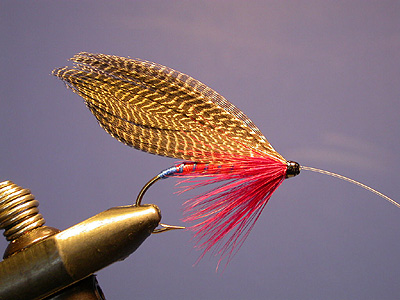
| The Frank Gray is the creation of Mr. Frank Gray, described by C.L. Valentine in Marbury's book as "the oldest fly-fisherman of this locality, and the one most successful." Deryn commented about this fly; "One of the reasons I picked it was that it was listed as a good fly for wall-eyed pike in M.O.M.'s book. First walleye fly I've ever heard of!" | |||||||||||||||||
|
|
|||||||||||||||||
Greenwood Lake
|
|||||||||||||||||
 |
|
||||||||||||||||
| This fly is named for Greenwood Lake, one of the finger lakes of New York. | |||||||||||||||||
|
|
|||||||||||||||||
Henshall
|
|||||||||||||||||
 |
|
||||||||||||||||
| "The Henshall was also made and named by Dr. Henshall, who reckons it among his favorite four flies for black bass." Dr. James Henshall was a native of Baltimore who moved to Cincinnati, where he practiced medicine. Henshall was President of the Ohio Fish and Game Commission and a special agent of the U.S. Fish and Game Commission. The pattern is based on the recipe Henshall gives in his Book of the Black Bass. | |||||||||||||||||
|
|
|||||||||||||||||
La Belle
|
|||||||||||||||||
 |
|
||||||||||||||||
| "This fly was the first made by C.F. Orvis in 1879, and when tried was found to be excellent in some waters for black bass." La Belle was named, as may be guessed, after the image of a pretty girl. Henshall specified the dressing as described above. | |||||||||||||||||
|
|
|||||||||||||||||
Lake Edward
|
|||||||||||||||||
 |
|
||||||||||||||||
| According to Mr. Walter Greaves: "I made this fly in July, 1888, when at Lake Edward (on the Quebec and Lake St. John Railway, where the trout fishing is first-class), and found that it generally proved the most taking fly I used whilst there." | |||||||||||||||||
|
|
|||||||||||||||||
Lord Baltimore
|
|||||||||||||||||
 |
|
||||||||||||||||
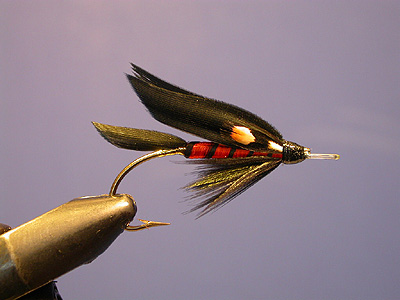
| Invented by Professor Mayer for fishing in the lakes of Maine, where it was used for black bass. Professor Mayer was the author of the book of sketches titled "Sport with Rod and Gun". | |||||||||||||||||
|
|
|||||||||||||||||
Matador (Version 1)
|
|||||||||||||||||
 |
|
||||||||||||||||
| Al Grombacher tied these flies on reworked Partridge JA1 hooks in size 2. The Matador was designed by William J. Cassard and named by Charles Orvis. "Its gay, rich dress reminds one of the picturesque matador of the Spanish bullfights, who is also the triumphant killer." | |||||||||||||||||
|
|
|||||||||||||||||
Matador (Version 2)
|
|||||||||||||||||
 |
|
||||||||||||||||
|
|
|||||||||||||||||
Mather
|
|||||||||||||||||
 |
|
||||||||||||||||
| The Mather was created by Charles Orvis and named by his friend and fishing companion, Mr. A. N. Cheney. The fly itself was named after Fred Mather, fishing editor of "The Forest and Stream" magazine. | |||||||||||||||||
|
|
|||||||||||||||||
Oconomowoc
|
|||||||||||||||||
 |
|
||||||||||||||||
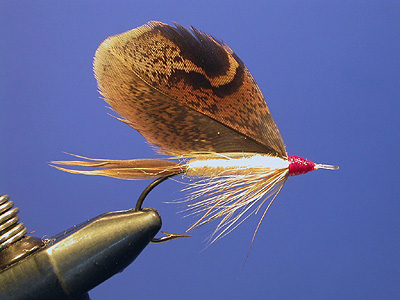
| Henshall lived for a time in Oconomowoc, Wisconsin, where he was the city's first mayor. He created this fly in 1872 and named it after the city and lake, upon who's shores the city was founded. The pattern is based on the recipe Henshall gives in his Book of the Black Bass. Although Henshall doesn't mention a ribbing in his book, the plate in Favorite Flies and Their Histories shows a rib that matches the tail coloring and a red head. The fly shown is tied in the manner Henshall specified, sans rib. | |||||||||||||||||
|
|
|||||||||||||||||
Ondawa
|
|||||||||||||||||
 |
|
||||||||||||||||
| According to Marbury; "The Ondawa is a bass fly, to which has been given an old Indian name belonging to a little river in a valley of the Green Mountains." | |||||||||||||||||
|
|
|||||||||||||||||
Oriole
|
|||||||||||||||||
 |
|
||||||||||||||||
| Henshall gives the pattern of this fly in his seminal Book of the Black Bass, written in 1881. | |||||||||||||||||
|
|
|||||||||||||||||
Polka
|
|||||||||||||||||
 |
|
||||||||||||||||
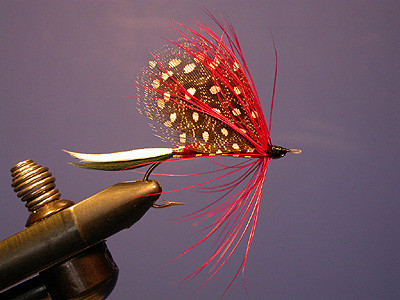
| The Polka is another of Dr. James Henshall's flies, one which was almost certainly created during his time in Cincinnati and used for the Kentucky Spotted bass and Smallmouth bass so common on the Ohio River during Henshall's day. It was first tied in 1870 and remains relatively popular today. Writing in his book More About Black Bass, Henshall says "Each angler will soon adopt a few flies for his own fishing, none of which I may have mentioned, but he will nevertheless continue to use them, and swear by them on all occasions; and this is one of the glorious privileges of the art of angling." | |||||||||||||||||
|
|
|||||||||||||||||
Silver Lady
|
|||||||||||||||||
 |
|
||||||||||||||||
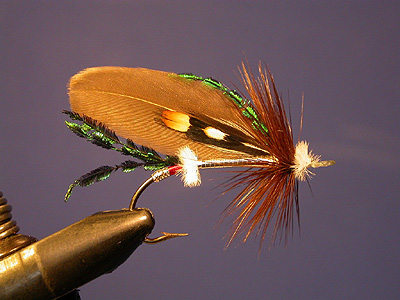
| The Silver Lady was created by Mr. M. O. Lownsdale of Portland, Oregon. The fly was designed for the Pacific coast steelhead fishery. Of this fly, Lownsdale wrote; "Our flies are constructed somewhat like bass flies, imitating no insect, but suggesting approximately the appearance of a nondescript moth. We have three varieties which have been found to be extremely satisfactory. No. 1 is the Silver Lady, tied with silver body, brown hackles, slate colored wings, and often silver streamers for tails." | |||||||||||||||||
|
|
|||||||||||||||||
Tipperlin
|
|||||||||||||||||
 |
|
||||||||||||||||
| Mary Marbury created this fly at Orvis. It was named for a close friend of the Orvis family, Ms. Mattie Williamson, who "was often beside the fly-table, embroidery in hand or reading aloud." Ms. Williamson requested that Marbury "make a fly unlike anything you have made before, for I have a name I want to give it." The name she gave this fly was that of her childhood home in Scotland; Tipperlin. | |||||||||||||||||
Read more about why you should register.
Related content


More content from the front page


Since you got this far …
The GFF money box
… I have a small favor to ask.
Long story short
Support the Global FlyFisher through several different channels, including PayPal.
Long story longer
The Global FlyFisher has been online since the mid-90's and has been free to access for everybody since day one – and will stay free for as long as I run it.
But that doesn't mean that it's free to run.
It costs money to drive a large site like this.
See more details about what you can do to help in this blog post.

Comments
is there a book that
is there a book that i can find these patterns in or other web sites that i can find them in
I was born in Tampa.
I was born in Tampa. I never Guessed there would be a Cracker fly. I now live in the mountains of North Carolina. Is there a HillBilly fly?
Greenwood Lake is no
Greenwood Lake is not one of the finger lakes. Greenwood Lake crosses the border of New Jersey and New York
To George Cleavland:
To George Cleavland: I have tied and fished all of these in the New river boulders and eddies on a 1/0 mustad 3366. The Silver Lady seems to work best in the Summer here.
Tom Williams, Lolamy Fly & Tackle Company
PS: A twenty pound mono weed guard is a plus although out of character for the days of these flies.
Fantastic. I already
Fantastic. I already had the Bergman page bookmarked and happened to see this link there. I'm thinking of tying up a few of these old wets and attaching them to a multiple cast leader and then fishing down through the boulder gardens of my local smallie river. I wonder how they'd stack up to the Buggers, Madonnas and Rabbit Leeches I use now.
Tom wrote: "I was s
Tom wrote: "I was somewhat offended that the term Cracker was represented as describing the poor whites of Florida."
Tom, you have to take that comment in context, it is a verbatim quote from a book published in the later decades of the ninteeth century. Evidently, circa 1888 that is what the vernacular implied. Note also the spelling. Perhaps I should have indicated "sic" to denote the transcription.
The Cracker fly is o
The Cracker fly is one that I grew up fishing in the Withlacoochee River and the Florida Gulf Coast in the Tampa Bay area. It is a very good Redfish fly that many of the old guys wading the bay would use when I was a child. I was somewhat offended that the term Cracker was represented as describing the poor whites of Florida. My family has lived in Florida for many generations. Crackers were so named because they were cattle men who cracked their whips as they drove cattle. Tom Williams, Lolamy Fly & Tackle Co.
Nice website the bes
Nice website the best trout fly I ever used was the "usual" first tied by Fran Betters and popularized by Bill Phillips, who fished it almost exclusively for twenty years. It was my good fortune to fish with Bill for around ten years. He was the best fisherman I ever met, A college professor and scientist his mind was constantly thinking of why certain flies were better than others and what makes a Trout tick. If you contact me I will be glasd to tie a "usual" that you may use it or include it in your collection. I have a size eighteen that I caught forty three fish on mounted in my diary.
Herb
Bo, You use a few
Bo,
You use a few half hitches or (better) a whip finish knot.
Martin
I am very new at thi
I am very new at this and have still to make my first fly... how do you seal the end thred ?? so it dosent just hang loose.. please i want to learn .
You are the best.Tha
You are the best.Thank you.
Excellent article le
Excellent article lets see more of them.
Awesome Article, Gre
Awesome Article, Great photography! Well done!! Made me want to pick up the book and read it again!!
Another amazing arti
Another amazing article. Thank you...